Wildlife Center Safaris – Africa Wildlife & Primates Photo Safaris, Conservation Travel & Workshops
Enjoy African wildlife and primate photography safaris, conservation travel, workshops in Eastern, Southern, Western, Northern and Central Africa.
Planning to visit Africa! We have tailored African wildlife and primates photography safaris in Uganda, Rwanda, Kenya, Tanzania, Democratic Republic of Congo, Botswana, Namibia and in particular visiting to some of the unique tourist destinations like the Bwindi Forest, Mgahinga, Murchison Falls, Volcanoes, Maasai Mara, Serengeti and Ngorongoro and Grumeti reserve, Virunga and then to the Okavango River Delta, located in northern Botswana.
These are the one of the most beautiful places on Earth. Picture this – thousands of square miles of brilliant green swamp, reeds, papyrus, water lilies and wetlands, and situated – would you believe – right in the Kalahari Desert!! And it’s teeming with wildlife! Further, we are including a visit to Victoria Falls – a true natural wonder!
When planning going on safari in Africa, you can decide to categorically exploring all East Africa or combing two regions and this can be East & Southern, East & Central or Southern with West and Northern Africa. Then for wildlife and primate photographers you can go to East, Southern and then Central Africa.
When planning the unique and extraordinary African safari here are questions to have in mind before you book this unforgettable expedition in Africa.
What is the Packing List for an African Safari?
When planning an African Safari, the first thing to pack is the valid passport for 06 month from the time of your arrival in Africa. Travel insurance should be on your list, this is always advised as you may get life emergency while on your safari and with this cover you will be covered by your insurance company and come with the Yellow Fever Vaccination card and now with the Corona Virus carry your Negative Covid-19 test that is take in 120 days before your travel to Africa.
In your travel bag don’t forget to have some pills as Africa in some parts you can easily find tsetse flies and more dangerous insects. Pack the international Visa Cards that can help you pay for some of your services and these will save you from carrying huge sum of money on the plane.
Regarding the clothing in Africa you need two types of clothes. Kindly carry light trousers and shirts that you can always use during day time. Then pack the heavy clothes to use at night. Carry the hiking shoes, hat, insect repellent, rain gears among others.
How Much is an Africa Safari?
An African safari depends on the destination visited. But generally always African safaris can start from $1500 – $ 2500 USD for the solo traveler but when you are more than one the price keeps on reducing. Then if you are traveling as a group we offer group tours in Kenya and visiting the Maasai Mara Reserve and staying at Enkorok Mara Camp that is strategically set at the foot slopes of the park. While staying at this Eco – friendly safari camp you experience the undulating view of the Kenyan landscapes!
In Africa you can take Budget, Mid-range safari lodge. Then for Luxury experiences both local and international tour operators customize depending on the level of lodges and exclusive camps that the tourists would love stay. For countries like Rwanda, Kenya, Tanzania and Botswana they have got the most super star lodges and exclusive camps and luxurious tourists don’t miss one of these destinations.
Where to go on Pure African Safari?
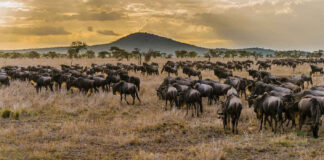
While looking for pure wildlife safari experience, it is Kenya, Tanzania and Uganda that offers it a the high level. With your visit to these 3 countries you can start you adventure from Ngorongoro Crater, Serengeti (Grumeti), Nyerere Reserve and then to Maasai Mara National Reserve where you will be overwhelmed by the Great Wildebeest Migration crossing the Mara River and this is great expedition that one going to Africa wouldn’t miss to experience.
Later on visit the Pearl of Africa and this is always on a rewarding road trip expedition. After the Mara drive to Kidepo Valley National Park in the North – Eastern side of Uganda and experience the undulating landscapes while on on your game drives in your suitable customized safari jeep. Thereafter, cross to Murchison Falls National Park in the North – Southern Uganda and here more wildlife are in variety and awesome to your viewing.
And what is amazing with this park after being filled with the wildlife take the memorable boat cruise along the great River Nile towards to the bottom where you enjoy the gorgeous force of water through the the rock gorge. More so, you can take also the boat ride to the Delta where the Nile flows into the Lake Albert.
What Photography Gadgets to Carry with You
For photographers while going on African wildlife safari, pack your Camera and the good lens. Spare batteries, memory card, charger ad then have a laptop as back up to save some photos taken a day.
Which Type of Lodges and Camps to stay in on African Safari?
While going on an African safari! It is better to discuss with your operator the type of lodge or camp of your overnight on your safari. In Africa there is Budget, Mid-range and Luxury lodges and exclusive camps to stay and the choice is on you to choose the category of lodge to enjoy on African safari.
Before, safaris in Africa have been running based on Budget and Mid-range lodges and camps. But today, various hospitality services providers like Singita, Four Seasons, Governor’s Camp, &beyond, One & Only Resorts, Angama, Asilia and Serena have come up with various facilities in various safari parks in Africa to highly offer international services to luxury travelers coming in Africa.
Where to Experience Pure Mountain Gorilla Trekking?
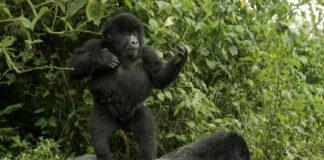
If you are planning to take mountain gorilla trekking experience in Africa. Think of visiting East and Central Africa (Uganda, Rwanda and Democratic Republic of Congo).
Places to visit in East and Central Africa include the Bwindi Forest and Mgahinga Gorilla National Park – Uganda, Volcanoes National Park – Rwanda and Virunga National Park, Democratic Republic of Congo. The gorilla trekking experience varies from each destination, Rwanda gorilla permit costs $ 1500, Uganda costs $ 700 and then in Congo costs $ 400 USD per person.
Though, Rwanda increased it’s gorilla permit from $ 750 – $ 1500 USD it has put more promotional offers of which you can be interested in, while on your visit Rwanda holiday.
There are also special discounted rates: – 30% discount (US$ 1,050) for combined trips within National Parks in Rwanda (Gorilla Trekking, Akagera and/or Nyungwe National Park) for at least 3 days during the months of November-May, – 15% discount (US$ 1,275) on conference delegates who stay pre & post MICE events to see gorillas.
However, some new packages have been introduced. These include: – US$ 15,000 for personalized & exclusive mountain gorilla visits for a requested targeted Gorilla family, – US$ 30,000 for a minimum of 3 visitors for 3 consecutive days.
Which Type of Safari Vehicle on Use in on African Safari?
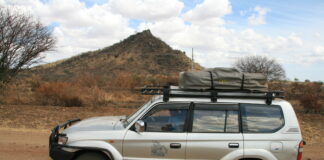
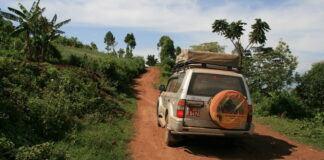
For the African wildlife safaris we will ride you in the very customized safari vehicles offering spacious view of wildlife on game drives in the parks.